

Lithuania and Neighboring Countries Appeal to the European Commission to Provide Additional Funding for EU External Border Security
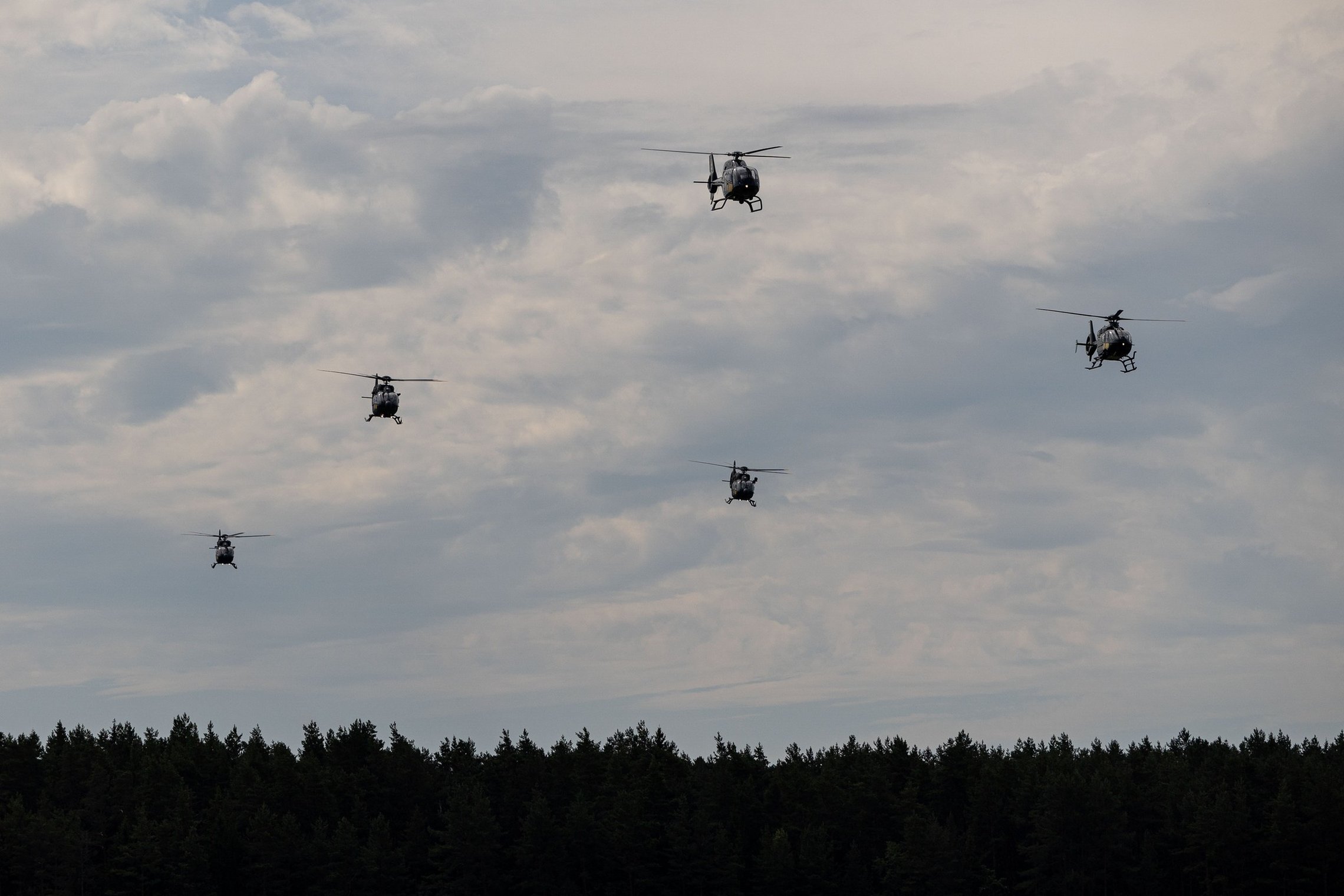
On the initiative of Lithuania’s Ministry of the Interior, Lithuania, Estonia, Finland, Latvia, and Poland have jointly sent a letter to European Commission Vice-President Henna Maria Virkkunen and Commissioner for Home Affairs and Migration Magnus Bruner, requesting additional funding to strengthen protection of the EU’s external borders.
The letter aims to draw the European Commission’s attention to security threats arising from recent airspace violations, underlining the need to enhance capabilities in airspace surveillance, as well as drone and anti-drone technologies.
In the joint appeal the countries are asking the European Commission to include the strengthening of these capabilities among priorities in the EU’s current 2021–2027 Internal Security Fund.
“We are grateful to the European Commission for the support provided so far, but security challenges in our region continue to grow. In recent months, Lithuania and other EU border countries have faced airspace violations. To ensure effective protection, it is crucial to invest in modern anti-drone technology – and this requires additional funding,” said Acting Minister of the Interior Vladislav Kondratovič.
The letter also recalls that for more than four years, the countries of the region have been dealing with illegal migration organized by the authoritarian regime in Belarus.
Previous support from the European Commission has delivered tangible results: strengthening external EU border protection, improving migration management, increasing resilience and preparedness, enhancing response capabilities, and improving the security of the Special (Kaliningrad) Transit Scheme. Now, the countries are requesting additional EU funding for the development of air surveillance, drone, and anti-drone systems to effectively counter growing threats.
Investments in border security in Eastern Europe are not only a national concern but also a shared responsibility of all EU Member States – a vital condition of the Union’s collective security architecture.