

Minister V. Kondratovičius: All of Europe Must Strengthen Resilience to Threats – This Is the Foundation of Our Security
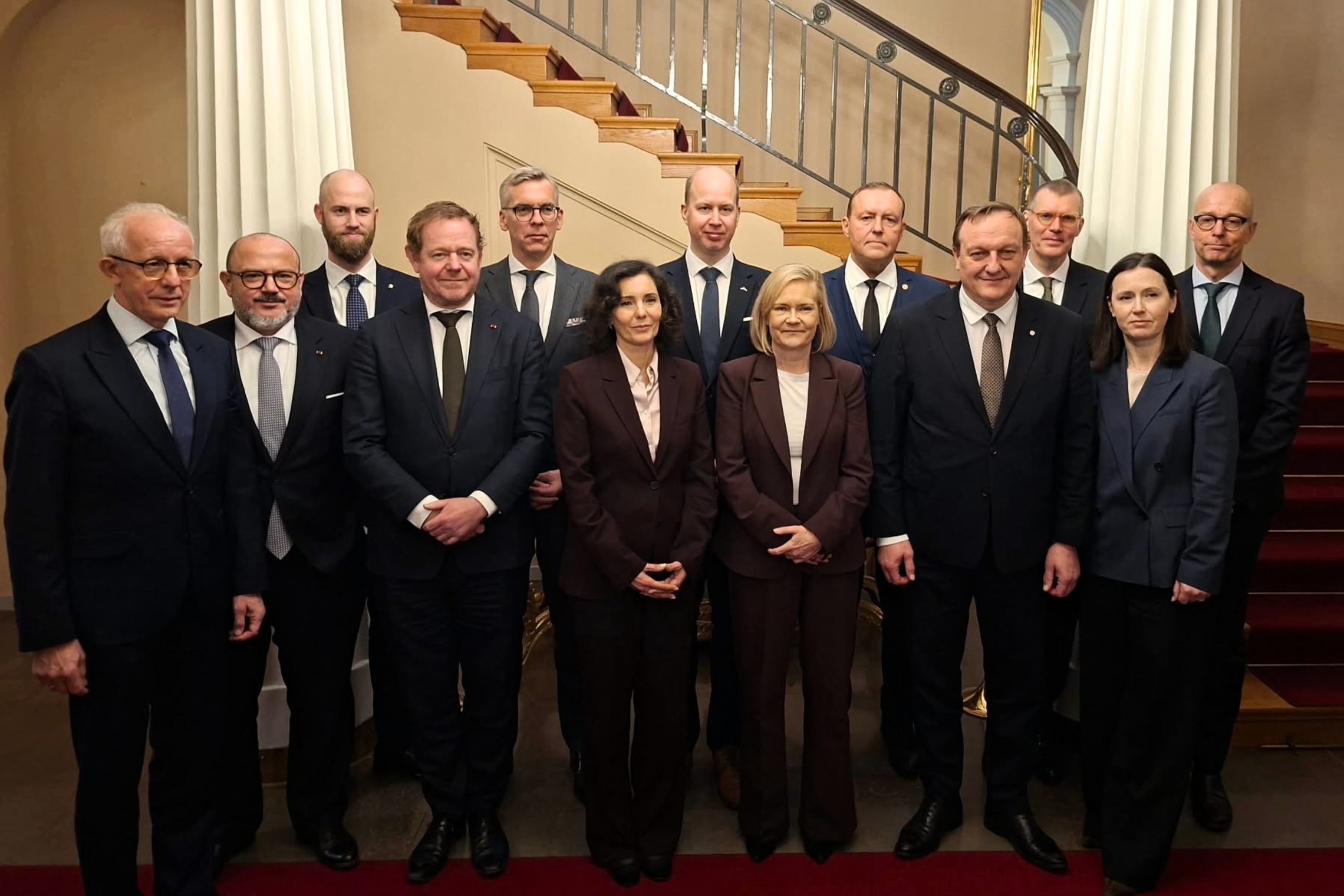
Minister of the Interior Vladislavas Kondratovičius, together with Vice-minister Ana Burkovskienė, participated in the ministerial meeting of the European Coalition on Civil Preparedness and Resilience. The event also featured insights from former President of Finland Sauli Niinistö and European Commissioner for Crisis Management and Civil Protection Hadja Lahbib.
“We are living in a time when crises are no longer exceptions – they are becoming the new normal. Therefore, our resilience must not be merely reactive, but a constant state of readiness. We must prepare for a wide range of scenarios, not because we fear them, but because this is the only way to ensure the security of our states and our citizens. Every euro invested in preparedness today means lives saved and stability preserved tomorrow,” said the Minister V. Kondratovičius.
Ministers from Belgium, Denmark, Estonia, Finland, Germany, Latvia, Lithuania, Luxembourg, the Netherlands, Poland, and Sweden discussed ways to strengthen Europe’s preparedness in an increasingly complex security environment. As the Coalition approaches its first anniversary, its expansion was noted, with Poland and Germany joining the initiative. The format remains open to all partners committed to enhancing civil preparedness and resilience across Europe.
During the meeting, the Coalition’s key priorities were reaffirmed: empowering citizens as the foundation of societal resilience; developing a common European Union–wide assessment of risks and threats; improving information-sharing and crisis management; protecting critical infrastructure; and strengthening cooperation between the European Union and NATO.
In light of current geopolitical challenges, particular attention was given to Russia’s ongoing aggression against Ukraine, which remains the most significant long-term security challenge for Europe. Instability in other regions further compounds the range of threats. Ministers agreed that support for Ukraine must continue for as long as necessary, and that Ukraine’s experience – particularly in countering hybrid threats and responding to attacks on critical infrastructure – should be actively integrated into European policymaking.
The meeting also underscored the importance of ensuring that efforts to strengthen preparedness and address hybrid threats are consistently reflected in future European Union funding instruments and programmes. It was emphasized that while preparedness entails costs, the cost of unpreparedness may be far greater.
Established in May 2025, the European Coalition on Civil Preparedness and Resilience aims to enhance cooperation among Member States and ensure comprehensive readiness for a wide range of threats – from natural disasters to armed aggression – while also strengthening the complementarity of European Union and NATO actions.