

Vice-minister A. Burkovskienė: Hybrid challenges are prompting Europe to reassess crisis preparedness
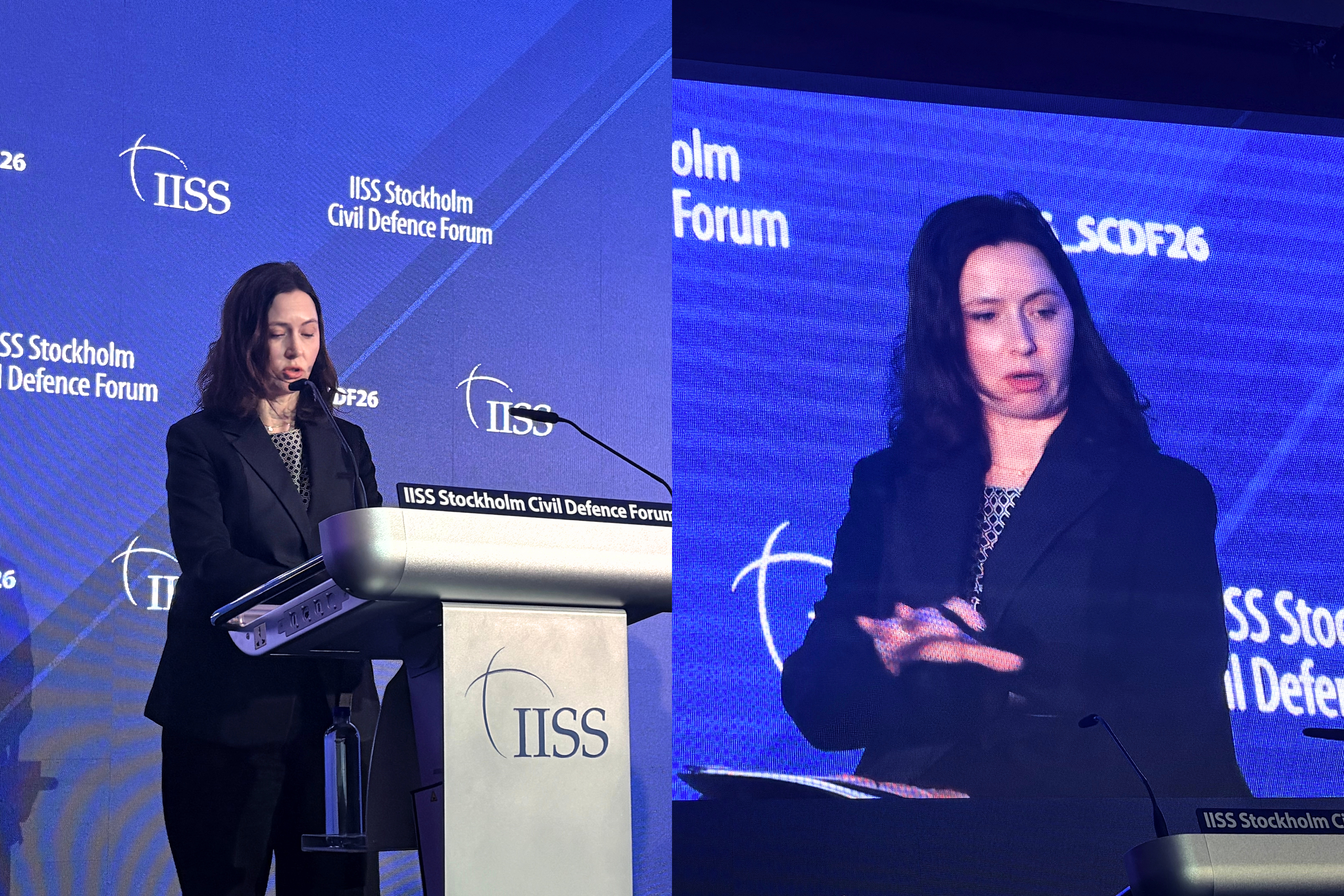
Vice-minister of the Interior Ana Burkovskienė participated in the Stockholm Civil Defence Forum, where she emphasized that civil protection is a vital part of the overall security architecture.
In recent years, the region has continued to face persistent hybrid threats, including instrumentalised migration, vulnerabilities in critical infrastructure, cyberattacks, and challenges related to airspace security. These threats are not incidental; they are used to test the resilience of states across the region.
According to the Vice-minister A. Burkovskienė, preparedness begins with early public warning systems, well-developed evacuation plans, reliable communication, and close cooperation between institutions and the public.
“Europe has entered a new security era – crises have become more complex, simultaneous, and interconnected. Military threats, hybrid pressure, and challenges caused by climate change all show that Europe must be prepared before crises begin, and effective preparedness today is impossible without close cooperation,” said the Vice-minister of the Interior.
Lithuania, together with its regional partners, is already implementing concrete initiatives. One of them is cooperation between the Baltic States and Poland in the area of civilian evacuation. Common principles have been agreed on cross-border evacuation, reception capacity, continuity of essential services, and information exchange.
Cooperation among the Nordic and Baltic countries in the areas of security, resilience, and civil defence is also strengthening rapidly. The region is increasingly operating as a single strategic space.
These regional initiatives are becoming more closely integrated into action at the European level, particularly through the European Civil Preparedness and Resilience Coalition. It helps move from fragmented initiatives toward a systematic, cross-border approach to preparedness.
The Vice-minister of the Interior also highlighted the importance of the roles played by NATO and the European Union: NATO ensures collective defence and deterrence, while the EU provides civilian instruments, regulation, and financial mechanisms. For Lithuania, it is important that these systems are aligned and reinforce one another.
Lithuania has already allocated around EUR 30 million for the modernisation of shelter infrastructure. Using these funds, municipalities across the country will modernise nearly 800 shelters.
To accelerate the development of the shelter network, the Ministry of the Interior has submitted amendments to the Law on Crisis Management and Civil Protection to the Seimas of the Republic of Lithuania. Under the proposed changes, municipalities would be granted broader powers to designate shelters in buildings not originally constructed for that purpose.